Максимум example rows для одного Page indexing issue
Google зазначає, що examples table обмежена 1 000 рядками і може не містити всі URL у цьому статусі, навіть якщо affected URLs менше 1 000.
Технічне SEO · Crawl & indexation · Evidence-first debugging
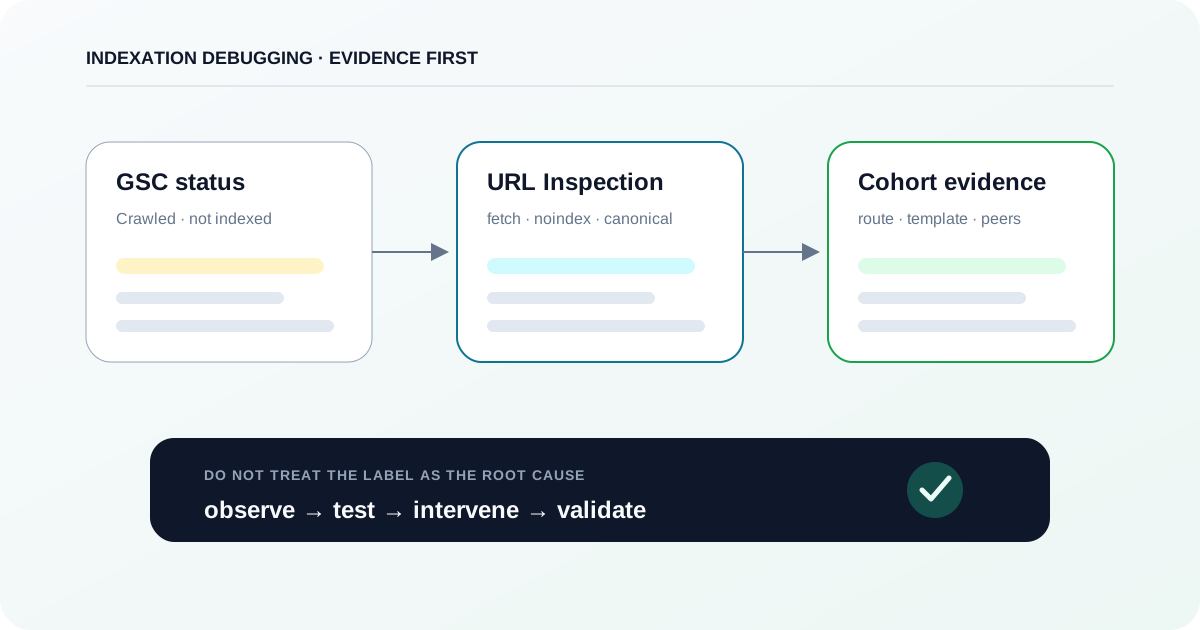
Сприймайте “Crawled — currently not indexed” як стартове спостереження, а не root cause. Спочатку підтвердьте, що Google зараз знає про URL, відкиньте hard eligibility, rendering і canonicalization failures, порівняйте affected pages як cohorts, а потім перевіряйте duplicate/value hypotheses однією контрольованою intervention за раз.
Коротка відповідь
Не починайте з переписування сторінки або багаторазового Request indexing. Спочатку через URL Inspection підтвердьте поточний indexed state і Last crawl, потім Test live URL використайте для crawl/indexability/rendering checks. Якщо ці перевірки чисті, аналізуйте affected URLs як cohorts: canonical duplication, soft-404/rendering patterns, internal discovery та реальну різницю у value. Змінюйте один фактор, який підтримується evidence, і перевіряйте той самий cohort повторно.
Google зазначає, що examples table обмежена 1 000 рядками і може не містити всі URL у цьому статусі, навіть якщо affected URLs менше 1 000.
Для URL, якого немає в Google, документація виділяє Crawl allowed?, Page fetch, Indexing allowed? та Google-selected canonical.
Google Index view показує збережену інформацію Google; Test live URL перевіряє поточну сторінку за багатьма eligibility requirements, але Google не використовує результат live test для індексації.
Офіційне визначення говорить лише, що Google crawled сторінку, але не indexed її. Воно не називає одну універсальну technical або content причину.
Етап 1 · Підтвердьте observation
Page indexing report — це site-level diagnostic view, а не source of truth для одного URL. Почніть із поточного URL state і crawl date.
Google визначає Crawled — currently not indexed вузько: сторінку було crawled, але вона не indexed; у майбутньому вона може бути проіндексована або ні. Сам label не пояснює, чи причина у rendering, canonicalization, duplication, content value, застарілому observation або іншому факторі. Google також прямо пише, що Page indexing report не призначений для перевірки status конкретної сторінки; для цього використовуйте URL Inspection.
Почніть із affected reason у Page indexing, виберіть representative URL з route/template, який аналізуєте, і відкрийте URL Inspection. До будь-яких змін зафіксуйте Page indexing verdict та Last crawl.
ШляхSearch Console → Indexing → Pages → Why pages aren’t indexed → Crawled - currently not indexed → example URL → Inspect URL
КритерійУ нотатках збережено URL Inspection verdict, Last crawl та точний inspected URL.
Якщо сторінка змінилася після Last crawl, запустіть Test live URL. Трактуйте його як current eligibility/rendering test, а не доказ, що Google уже indexed або обов'язково проіндексує URL.
ШляхSearch Console → URL Inspection → Test live URL
КритерійВи можете чітко розділити findings із Google Index view та live test.
Якщо URL Inspection зараз показує URL is on Google, не запускайте indexing fix лише тому, що broader report ще відображає попередній state. Зафіксуйте розбіжність і моніторте report.
КритерійImplementation work не починається для URL, current indexed view якого вже показує indexed state.
| Signal | Що доводить | Чого не доводить | Наступна дія |
|---|---|---|---|
| Page indexing: Crawled — currently not indexed | Google crawled URL, а reported indexing attempt не завершився індексацією. | Конкретний root cause або те, що state досі актуальний після пізніших змін. | Inspect representative URL. |
| URL Inspection — Google Index view | Що системи Google зараз повідомляють про stored/indexed version та last indexing attempt. | Що сторінка повертає прямо зараз, якщо після Last crawl вона змінилася. | Порівняйте Last crawl з deployment/content changes. |
| Test live URL | Чи current page reachable та виглядає eligible за багатьма live checks; rendered output можна переглянути. | Поточне включення в index, duplicate/canonical selection або гарантовану майбутню індексацію. | Використовуйте для falsification current technical blockers. |
| Google search точного URL | Практичне підтвердження, чи URL з'являється у Google Search у цей момент. | Чому сторінка відсутня або як Google її оцінив. | Поверніться до URL Inspection за evidence. |
Кастомна схема
Decision tree відокремлює already-indexed/stale report state від URL, який справді залишається non-indexed, перш ніж розглядати technical або content hypotheses.
Етап 2 · Визначте evidence boundary
Status корисний, бо звужує sequence: discovery та щонайменше один crawl відбулися. Але кілька принципово різних explanations залишаються відкритими.
Не плутайте цей статус із Discovered — currently not indexed. Google описує останній як URL, про який знає, але ще не crawled. Для Crawled — currently not indexed корисний факт — crawl уже відбувся. Тому менше часу витрачайте на питання “чи Google може discover саме цей URL?” і більше — на те, що було fetched, що current page повертає зараз, чи primary content survives rendering, чи URL належить до duplicate cluster, і чи сторінка має достатню independent value для окремого indexable URL.
| Hypothesis class | Evidence, що підтримує | Evidence, що послаблює | Не робіть висновок |
|---|---|---|---|
| Current technical eligibility | Live fetch fails, з'являється noindex, current redirect/status неправильний або crawl blocked. | Live URL fetches successfully, indexing allowed, intended content присутній. | Successful live test гарантує indexing. |
| Rendering / soft-404 behavior | Rendered output blank/nearly blank, error-like або без primary content/resources. | Rendered output містить intended primary content та stable status behavior. | Будь-яка JavaScript page inherently harder to index. |
| Canonical / duplication | Google-selected canonical відрізняється або багато route variants мають materially equivalent primary content. | URL clearly differentiated і canonical-сигналів стабільно вказують на нього. | Self-referencing canonical примушує Google обрати цей canonical. |
| Selection / value | Hard blockers не знайдено, а affected templates redundant, thin in purpose або мало додають понад інші indexed URLs. | Affected URLs містять distinct, useful information, а близькі comparators indexed. | Google публікує numeric “quality threshold” для цього status. |
Етап 3 · Припиніть debugging isolated URLs
Один URL може ввести в оману. Cohort, згрупований за route/template, status, canonical, depth та sitemap membership, перетворює anecdote на testable pattern.
Google попереджає, що examples table у Page indexing обмежена 1 000 рядками та не гарантує показ усіх URL у status. Сприймайте її як sample. Експортуйте доступні дані Search Console, потім join їх із власним crawl та sitemap inventory. Для великих сайтів додавайте URL Inspection evidence лише до prioritized sample: URL Inspection API може programmatically повернути Google-index version status, але live test через API недоступний.
Збережіть affected reason/export разом із collection date. Raw file не змінюйте — створіть окрему cleaned copy.
ШляхSearch Console → Indexing → Pages → Crawled - currently not indexed → Export
КритерійRaw export і collection date збережено; ви не називаєте export повним inventory усіх affected URLs.
Мінімум: final status code, indexability, canonical, crawl depth та internal inlinks. Додайте route/template class, бо regressions часто повторюються на рівні template.
КритерійКожний affected URL можна згрупувати за route/template та порівняти за однаковими technical fields.
Зафіксуйте, чи URL intentionally submitted for indexing і чи route має створювати distinct search landing page. Так ви не будете сприймати harmless non-indexed duplicates як failures.
КритерійДля кожного cohort є explicit indexing goal: should index, should consolidate або should remain excluded.
from csv import DictReader, DictWriter
from pathlib import Path
from urllib.parse import urlsplit, urlunsplit

GSC_FILE = Path("gsc-crawled-currently-not-indexed.csv")
CRAWL_FILE = Path("crawl.csv")
SITEMAP_FILE = Path("sitemap-urls.txt")
OUTPUT_FILE = Path("indexation-cohort.csv")

GSC_URL = "URL"
CRAWL_URL = "Address"
STATUS = "Status Code"
INDEXABILITY = "Indexability"
CANONICAL = "Canonical Link Element 1"
DEPTH = "Crawl Depth"
INLINKS = "Unique Inlinks"

def normalize_url(value: str) -> str:
    parts = urlsplit(value.strip())
    path = parts.path or "/"
    if path != "/":
        path = path.rstrip("/")
    return urlunsplit(
        (parts.scheme.lower(), parts.netloc.lower(), path, parts.query, "")
    )

def read_rows(path: Path, key: str) -> dict[str, dict[str, str]]:
    with path.open(encoding="utf-8-sig", newline="") as handle:
        return {
            normalize_url(row[key]): row
            for row in DictReader(handle)
            if row.get(key)
        }

def route_bucket(url: str) -> str:
    parts = [part for part in urlsplit(url).path.split("/") if part]
    return "/" + (parts[0] if parts else "home") + "/"

gsc = read_rows(GSC_FILE, GSC_URL)
crawl = read_rows(CRAWL_FILE, CRAWL_URL)
sitemap = {
    normalize_url(line)
    for line in SITEMAP_FILE.read_text(encoding="utf-8").splitlines()
    if line.strip()
}

rows = []
for url, gsc_row in gsc.items():
    crawl_row = crawl.get(url, {})
    rows.append({
        "url": url,
        "route_bucket": route_bucket(url),
        "in_sitemap": "yes" if url in sitemap else "no",
        "status_code": crawl_row.get(STATUS, ""),
        "indexability": crawl_row.get(INDEXABILITY, ""),
        "canonical": crawl_row.get(CANONICAL, ""),
        "crawl_depth": crawl_row.get(DEPTH, ""),
        "unique_inlinks": crawl_row.get(INLINKS, ""),
        "gsc_status": gsc_row.get("Reason", "Crawled - currently not indexed"),
    })

rows.sort(key=lambda row: (row["route_bucket"], row["url"]))

fields = [
    "url", "route_bucket", "in_sitemap", "status_code", "indexability",
    "canonical", "crawl_depth", "unique_inlinks", "gsc_status"
]
with OUTPUT_FILE.open("w", encoding="utf-8", newline="") as handle:
    writer = DictWriter(handle, fieldnames=fields)
    writer.writeheader()
    writer.writerows(rows)

print(f"Wrote {len(rows)} URLs to {OUTPUT_FILE}")
VERIFIED: виконано в Python 3.11 на локальному fixture 31 серпня 2026 року. Перейменуйте configurable CSV column constants відповідно до вашого crawler/export. Script не викликає Google APIs і не визначає root cause.
| Dimension | Example grouping | Чому важливо | Red flag |
|---|---|---|---|
| Route/template | /products/, /locations/, /articles/ | Shared templates часто мають спільні canonical, rendering та content-shape failures. | Один route family домінує в affected set. |
| HTTP/indexability | 200 + indexable, redirect, noindex | Відділяє current hard blockers від selection questions. | Нібито indexable cohort фактично не eligible зараз. |
| Canonical pattern | self, parent/category, parameter-free URL | Показує, чи duplicates/conflicting preferences пояснюють consolidation. | Багато URL unexpectedly вказують на один canonical. |
| Internal graph | depth 1–2 vs depth 6+, inlinks by template | Дає site-architecture context без твердження, що links самі спричиняють indexing. | Affected cohort стабільно orphaned або набагато deeper за indexed peers. |
| Sitemap intent | submitted vs unsubmitted | Відокремлює intentional landing pages від incidental crawlable states. | Incidental/filter URLs домінують у submitted sitemap. |
Кастомна схема
Cohort pipeline join Search Console, crawler, sitemap та selective URL Inspection evidence перед групуванням URL у shared failure patterns.
Етап 4 · Falsify hard blockers
Старий crawl відбувся в минулому. Live page могла змінитися, тому перевірте сьогоднішній response, directives і redirect path.
Inspect final URL після redirects. URL, який має індексуватися, повинен вести до intended content з meaningful success status, а не error template, замаскованого під success.
ШляхSearch Console → URL Inspection → Test live URL → Page availability
КритерійPage fetch successful, а final page представляє intended indexable resource.
Перевірте robots meta і X-Robots-Tag. noindex — explicit instruction не показувати сторінку в Google Search.
КритерійНа URL, який має бути indexed, немає noindex directive.
Перевірте Crawl allowed? і robots.txt. Якщо URL blocked у robots.txt, Google може не побачити page-level index directives, тому robots blocking не замінює правильну indexing policy.
КритерійIntended indexable URL crawlable, а page-level directives observable Googlebot.
URL="https://example.com/page"

# Follow redirects and print the response chain plus index-control headers.
curl -sSIL --max-redirs 5 "$URL" \
  | grep -Ei '^(HTTP/|location:|x-robots-tag:)'

# Inspect raw HTML for canonical and robots directives.
curl -sS "$URL" \
  | grep -Eio "<link[^>]+rel=['\"]canonical['\"][^>]*>|<meta[^>]+name=['\"](robots|googlebot)['\"][^>]*>" \
  | head -n 20
STATICALLY VERIFIED: shell syntax перевірено 31 серпня 2026 року. Це raw HTTP/HTML response, а не Google-rendered output. Замініть example URL і підтвердьте результат у URL Inspection.
| Observed evidence | Interpretation | Minimal fix | Verification |
|---|---|---|---|
| Page fetch is not Successful | Current fetchability unresolved або failing. | Fix конкретної response/network/access проблеми; не переписуйте content першою дією. | Re-run Test live URL і verify final response. |
| Indexing allowed? = No / noindex header або meta | Page explicitly asks not to be indexed. | Remove directive лише якщо URL має бути indexable. | Live test показує indexing allowed; raw response також перевірено. |
| Redirects to another URL | Inspected URL не є final indexable resource. | Визначте, чи redirect intentional; fix лише якщо route має resolve тут. | Inspect final URL та canonical policy. |
| 200 з error/empty main content | Transport succeeded, але page може поводитися як soft 404. | Fix application/data/status behavior, щоб intended content існував. | Inspect rendered HTML/screenshot та status повторно. |
Етап 5 · Подивіться, чим стає сторінка
Route може повернути 200 і водночас показувати empty shell, error state або missing primary content після rendering.
Google документує crawl → render → index processing model для JavaScript pages. Також soft 404 описується як page, що повертає success, але фактично показує missing, empty або error-like content. Для confirmed non-indexed URL порівнюйте raw response з rendered output, а не припускайте, що successful HTTP request означає useful page, яку Google реально processed.
Запустіть Test live URL і inspect tested page. Перегляньте screenshot та rendered HTML, якщо доступні; фокусуйтесь на primary content, а не decorative UI.
ШляхSearch Console → URL Inspection → Test live URL → View tested page
КритерійIntended main content, title context і meaningful links присутні у tested output.
Перевірте, чи critical content, canonical та robots directives відрізняються між source HTML і rendered state. Якщо client-side API failure перетворює route на empty template, виправте state model до нового crawl request.
КритерійIndex-critical content і directives stable across response/render path.
Виберіть indexed URL з тим самим template та порівняйте response size, main-content structure, required API calls і rendered text. Peer comparison зазвичай інформативніший за unrelated page.
КритерійВи можете назвати першу material divergence між healthy та affected template instances.
| Pattern | Observed evidence | Чому важливо | Next test |
|---|---|---|---|
| Empty application shell | Raw/Google-rendered main content absent або nearly absent. | Google indexes rendered HTML; missing primary content прибирає actual value proposition. | Inspect blocked/failed resources і data dependencies. |
| Error disguised as 200 | Page повідомляє not found/unavailable/no results, але HTTP status = 200. | Google може classify error-like successful pages як soft 404s. | Return meaningful status/state або render valid content. |
| Critical content only after interaction | Main content з'являється лише після click/scroll/user state. | Crawl/render path може не виконати interaction, потрібну для його появи. | Make index-critical content available without interaction. |
| Healthy render but non-indexed | Primary content present і live eligibility checks pass. | Rendering стає слабшою hypothesis. | Move to canonical/duplicate і value comparisons. |
Етап 6 · Перевірте consolidation
Page може бути technically reachable і все одно consolidated з іншим URL, якщо Google вважає primary content duplicate або дуже схожим.
Google об'єднує duplicate або very similar pages у clusters і обирає representative canonical. Ваш rel="canonical" — preference signal, а не rule; Google може вибрати інший URL. Тому “self-canonical + 200 + indexable” не є повною diagnosis. Використовуйте URL Inspection та cohort comparisons, щоб перевірити, чи affected URLs справді differentiated.
Зафіксуйте canonical, заданий сайтом та Google-selected canonical, якщо URL Inspection його показує. Не вигадуйте Google-selected canonical для non-indexed page, якщо field absent.
КритерійНотатки відокремлюють declared canonical від Google-selected canonical, включно з missing/unknown values.
Порівняйте title/H1, core body, unique entities, inventory/data, structured values та intent. Ігноруйте shared navigation/footer noise. Запитайте, чи search user отримає materially different answer з кожного URL.
КритерійSuspected duplicate group або demonstrably distinct за primary purpose/content, або explicit marked for consolidation.
Якщо кілька URL мають consolidate, redirects, canonicals, sitemap inclusion та internal links мають узгоджено підтримувати representative URL. Якщо кожен URL має бути самостійним, посилюйте meaningful differences, а не boilerplate.
КритерійTechnical signals і content strategy ведуть до одного canonical/indexing outcome.
Кастомна схема
Layered model не дозволяє сприйняти passing technical check як доказ canonical identity або index selection.
| Pattern | Likely interpretation | Bad reaction | Better test |
|---|---|---|---|
| Багато parameters/filter states мають один primary content | Site міг створити багато URL для однієї search answer. | Додати більше слів у кожен variant. | Визначити, які states мають independent landing-page value. |
| Google-selected canonical відрізняється від declared canonical | Google cluster/signals не збігаються з вашою preference. | Повторювати Request indexing. | Inspect technical signals і чи content sufficiently different. |
| Self-canonical на кожному URL, near-identical primary content | Self-canonical сам не примушує separate indexing. | Вважати canonicalization solved. | Compare actual content purpose і cluster behavior. |
| Distinct pages, але template генерує wrong canonical | Technical canonicalization bug plausible. | Переписувати content першою дією. | Fix template signal і validate affected cohort. |
Етап 7 · Перевірте value hypothesis
Google не документує єдиний quality threshold для цього status. Трактуйте page value як hypothesis, яку треба порівняти з indexed peers та intended search job URL.
Коли fetchability, indexing directives, rendering та canonical policy чисті, наступне корисне питання — не “скільки слів додати?”, а “яку independent job виконує цей URL?” Google's people-first guidance питає, чи content містить original information, substantial coverage, analysis beyond the obvious та meaningful value порівняно з іншими results. 2026 AI Search guidance також акцентує unique, non-commodity content. Це evaluation principles, а не документована причина кожного Crawled — currently not indexed URL.
| Weak intervention | Чому weak | Stronger intervention | Evidence to collect |
|---|---|---|---|
| Додати 500 generic words | Length alone не створює distinct search job або original value. | Додайте original data, decision criteria, examples або useful tool tied to intent. | Compare unique main-content elements before/after. |
| Змінити лише title/H1 | Metadata не компенсує redundant body. | Align title, intent і materially distinct page content. | Peer comparison + canonical/indexation outcome. |
| Повторювати Request indexing | Запит не змінює page evidence. | Change factor supported by diagnosis, then request re-evaluation for important URLs. | New crawl/index state after substantive change. |
| Publish every generated state | Scale множить low-value/duplicate states. | Create page-eligibility gates і consolidate states without distinct value. | Indexation rate by template/eligibility class. |
Етап 8 · Перевірте site architecture context
Page уже була crawled, тому discovery саме по собі не пояснює historical label. Але internal architecture допомагає перевірити, чи site послідовно трактує important pages.
Google використовує links, щоб знаходити pages і як relevancy signal, а Page indexing docs рекомендує робити important pages findable через links або sitemaps. Але для URL зі статусом Crawled — currently not indexed “додати одне internal link” не є proven root-cause fix. Використовуйте internal-link depth, inlinks та sitemap membership як comparative evidence: чи affected URLs сайт сам трактує як important landing pages, чи як incidental states, на які майже не посилається?
Important URLs мають отримувати реальні <a href> links з relevant pages, а не лише script-only navigation чи UI states без crawlable href.
КритерійImportant pages мають stable crawlable links із relevant site sections.
У межах того самого route family порівняйте affected та indexed URLs. Велика structural difference — evidence для test; arbitrary single link count — ні.
КритерійВи можете описати, чи affected cohort structurally under-supported відносно healthy peers.
Sitemaps мають представляти URLs, які ви справді хочете індексувати. Видаляйте accidental filter/error/duplicate states з indexable submission set, а не використовуйте sitemap як dumping ground.
КритерійSubmitted URLs узгоджені з explicit canonical та indexing policy сайту.
Етап 9 · Безпечно прискорте triage
AI корисний для кластеризації великих експортів і пріоритизації тестів. Але він не є доказом того, як Google оцінив конкретну сторінку.
Корисний агент може нормалізувати експорти, групувати URL за route/template, знаходити повторювані патерни canonical, status і rendering та готувати falsification tests. Але він не повинен робити висновок «Google не індексує ці сторінки через низьку якість» лише з CSV. Для агента потрібні явні межі evidence і stop conditions, особливо перед змінами robots.txt, canonical, noindex, redirects або спільних templates.
<context>
Ви діагностуєте cohort URL, експортованих із Google Search Console зі статусом
"Crawled - currently not indexed". Заборонено вигадувати приватні ranking або
indexing signals Google.
</context>

<goal>
Для кожного URL/cohort визначте наступний falsifiable diagnostic test.
Не називайте root cause, доки надані докази його не підтверджують.
</goal>

<input>
{{COHORT_CSV}}
{{CRAWL_EXPORT}}
{{URL_INSPECTION_EXPORT_OR_NOTES}}
{{SITEMAP_URLS}}
{{ROUTE_TEMPLATE_NOTES}}
</input>

<constraints>
1. Відокремлюйте observed evidence від hypothesis.
2. Трактуйте GSC label як observation, а не diagnosis.
3. Не прирівнюйте HTTP 200, sitemap membership, self-canonical або successful
   live test до гарантованої індексації.
4. Не вигадуйте Google-selected canonical, якщо даних немає.
5. Групуйте URL за route/template та спільними evidence patterns.
6. Рекомендуйте одну мінімальну intervention на cohort.
7. Якщо evidence недостатньо, поверніть "unresolved" і назвіть відсутній test.
</constraints>

<required_output>
Для кожного cohort поверніть:
- observed evidence;
- ruled-out causes;
- leading hypothesis;
- falsification test;
- minimal intervention;
- expected result;
- validation window / next observation;
- remaining uncertainty.
</required_output>

<stop_conditions>
Зупиніться та запросіть human review, якщо зміна зачіпає robots.txt,
canonicalization, noindex, redirects, templates або більше одного route family.
</stop_conditions>
REUSABLE PROMPT: використовуйте лише санітизовані експорти. Формат результату окремо фіксує observation, hypothesis, falsification test, intervention і remaining uncertainty. Перед site-wide змінами directives/templates потрібен human review.
Етап 10 · Замкніть loop
Діагностика завершена лише тоді, коли запропонована причина передбачає спостережувану зміну, а follow-up data підтверджує або спростовує цю гіпотезу.
Збережіть cohort, inspected sample, crawl data, версію deployment/content і дату. Без baseline пізнішу зміну статусу не можна впевнено пов'язати саме з вашою intervention.
КритерійВи можете відтворити точний pre-change cohort і evidence для репрезентативних URL.
Виправте найменшу спільну причину, яку підтримує evidence — наприклад template canonical bug, порожній rendered state, випадковий noindex, redundant route policy або відсутність самостійної цінності сторінки. Не змішуйте одночасно кілька не пов'язаних SEO-змін.
КритерійIntervention напряму відповідає одній hypothesis і має очікуваний спостережуваний результат.
Використайте Test live URL, щоб перевірити технічну зміну на репрезентативних URL. Для важливих URL Request indexing може повідомити Google про зміну сторінки; не сприймайте сам запит як виправлення.
ШляхSearch Console → URL Inspection → Test live URL → Request indexing
КритерійLive evidence відповідає запланованому технічному стану ще до відправлення indexing request.
Знову запустіть crawl/join і порівняйте affected cohort у часі. Зафіксуйте URL, які стали indexed, були consolidated elsewhere, залишилися unresolved або перейшли до іншої reported reason.
КритерійРезультат оцінюється на тому самому route/template cohort, а не за одним успішним URL.
| Підтримана hypothesis | Мінімальна intervention | Очікуване near-term evidence | Коли відхилити hypothesis |
|---|---|---|---|
| Випадковий noindex/header directive | Приберіть directive у template/config, який ним керує. | Live test показує indexing allowed; raw response більше не містить directive. | Directive прибрано, але ширший cohort не змінюється після повторної обробки репрезентативних URL Google. |
| Rendered empty/error state | Виправте data/render/status behavior для route. | Tested page містить запланований main content; soft-404/error behavior зникає. | Healthy rendered state підтверджений, але indexation outcome не відрізняється від peer pages. |
| Canonical/template consolidation bug | Узгодьте canonical/redirect/sitemap/internal-link signals. | Google може повторно crawl-ити потрібний representative URL; canonical evidence рухається до запланованої policy. | Google і далі вибирає інший canonical, а content залишається near-identical. |
| Недостатня самостійна цінність сторінки | Додайте суттєво унікальні purpose/data/tooling або консолідуйте route. | Сторінка стає демонстративно відмінною від sibling/competing pages до переоцінки. | Після зміни все ще неможливо сформулювати значущу content/intent відмінність. |
Практичний принцип: сприймайте indexation як evidence loop, а не submission loop. Корисна діагностика пояснює, чому цей cohort поводиться інакше за healthy cohort, передбачає, що має змінитися після однієї intervention, і фіксує, що все ще невідомо. Якщо prediction не справджується, збережіть невдалий тест — це evidence, що початкова hypothesis була хибною.
Першоджерела та документація
Кожне змінне твердження про пошукову систему, браузер, інтерфейс або технічну поведінку в матеріалі прив’язане до актуального першоджерела.
Потрібна допомога з діагностикою та впровадженням?
Metricum Lab може поєднати Page indexing data, crawl evidence, canonical policy, rendering checks і route-level cohort analysis, щоб ізолювати першу falsifiable cause, пріоритезувати fixes і визначити validation для кожної зміни.
Переглянути Crawl & Indexation services